Spaces Between: Art and the Liminal
How ecotones, edges and moments of transformation inspire creative work

Artists are denizens of liminal spaces, both physically and metaphorically. Liminal comes from the Latin “limen,” which roughly translates to “threshold.” In my artwork, I’m learning to seek out those thresholds, those moments of not quite before and not quite after, moving from one small change to another, all of which leads (hopefully!) to a final whole.
Liminal spaces in nature - called ecotones - are the places between two kinds of landscapes: where forest meets lawn, where water meets beach, where night is becoming day or day is becoming night. These are spaces where we are invited to pay attention, to notice transformation, to pause, and look. Liminal spaces in art, in writing, even in thought - these are the places where ideas merge or collide, and something entirely new can be born. There are also spaces liminal in time - springtime, autumn, times of waiting for one thing to end and another to begin, as well as beginnings and endings and transformations, both good and bad.
The edge of the woods
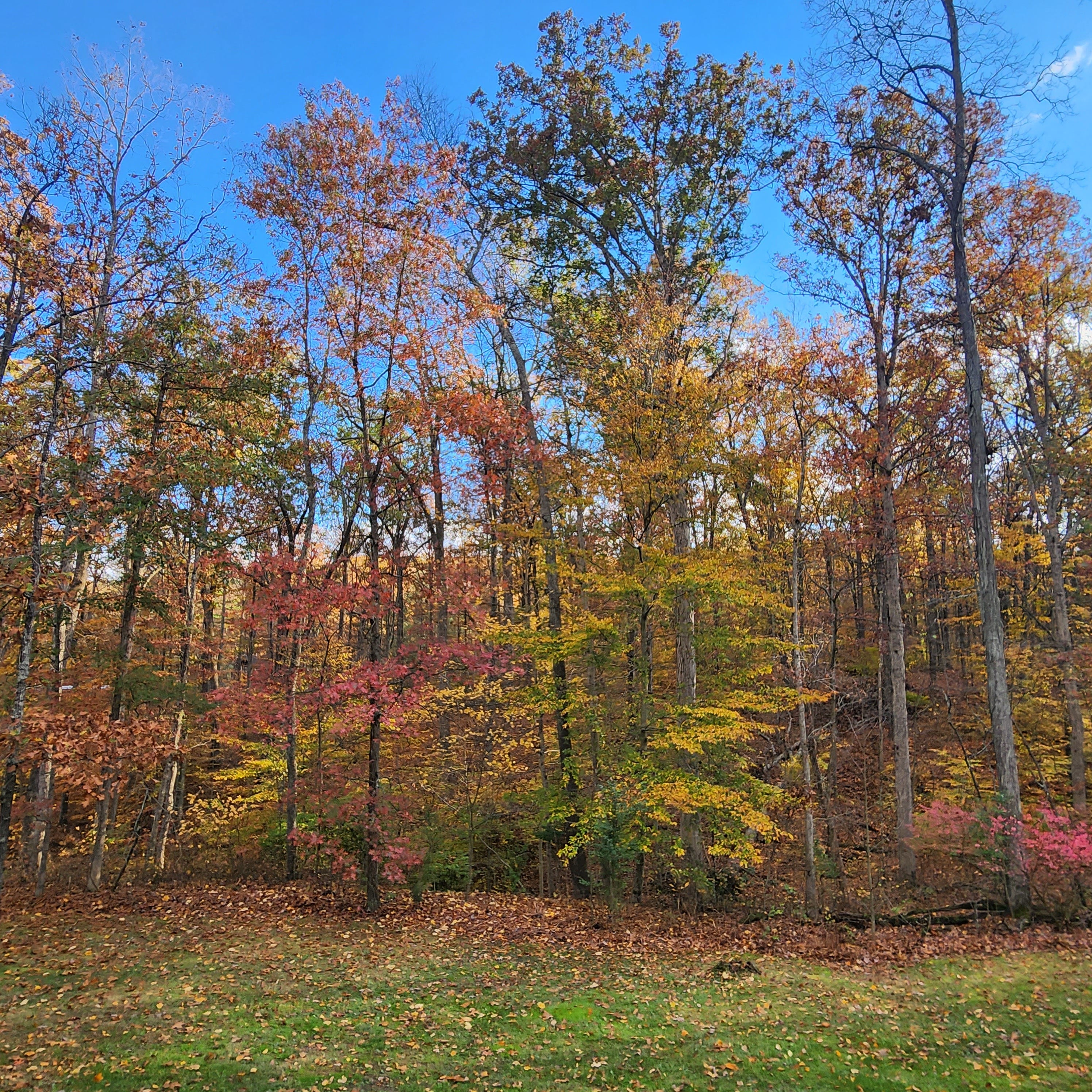
The edge of the woods where it meets my yard is a living threshold—an ecotone neither fully wild nor wholly domestic, but something in between. It’s a shifting border where birds, insects, and animals cross freely, where light filters differently as it passes from open space to tree canopy, where grasses give way to understory plants and leaf litter. Plants like Hemp Dogbane, Blue Mistflower and Tick Trefoil flourish there, along with the insects that use them, and I often find mushrooms on fallen trees that are decomposing along the wood’s edge.


I spend a lot of time walking along the edge of the woods, around my yard and down my gravel road, taking photographs and making sketches of the plants I find growing there.
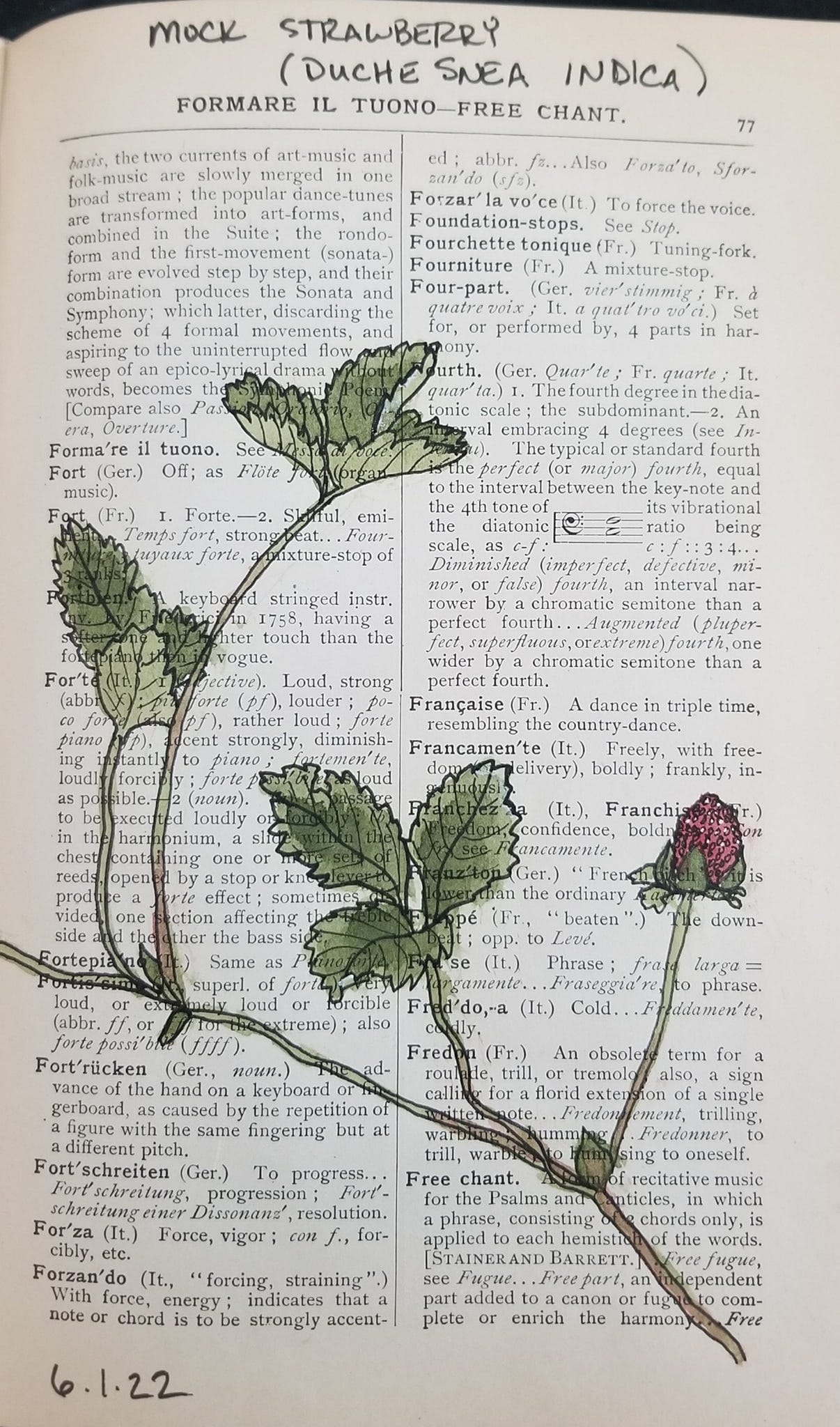
On the edge of the woods, I can see both the order of the cultivated and the mystery of the untamed, and it is a contrast that inspires me. The edge becomes a metaphor for transition and coexistence, a reminder that creativity often arises where boundaries blur and two worlds touch.
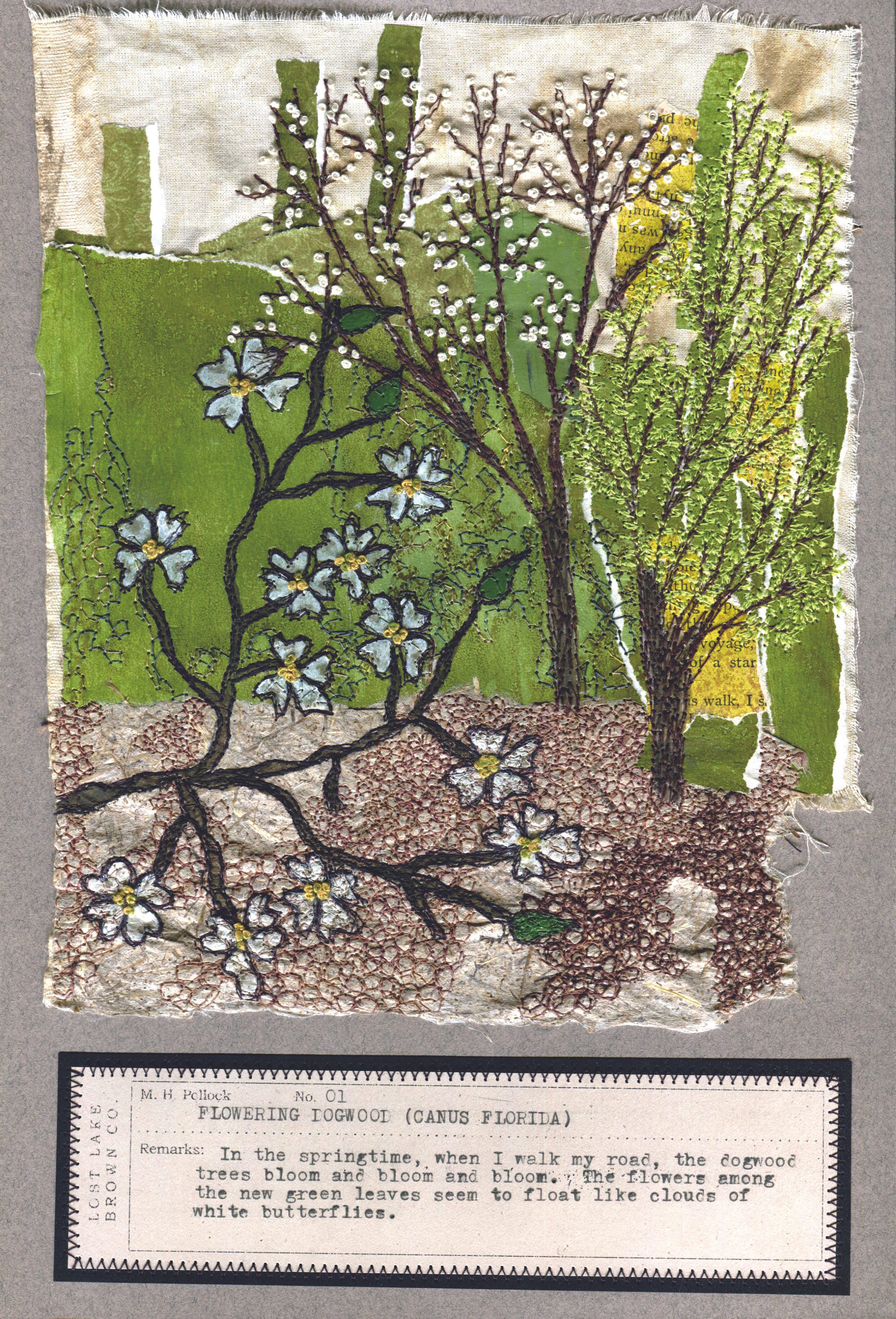
The space between illness and health
This liminal space has become profoundly important to my artwork since I became chronically ill. It’s a space where vulnerability and resiliency coexist, where the body and spirit are both tested and revealed. In this in-between place, I feel the preciousness of life most acutely, as well as the possibility inherent in adaptation and transformation.
Since I became ill, I have been forced to find new ways of making artwork that are possible and sustainable in my new reality. There is, of course, grief at the losses, which can be channeled into and through artwork.
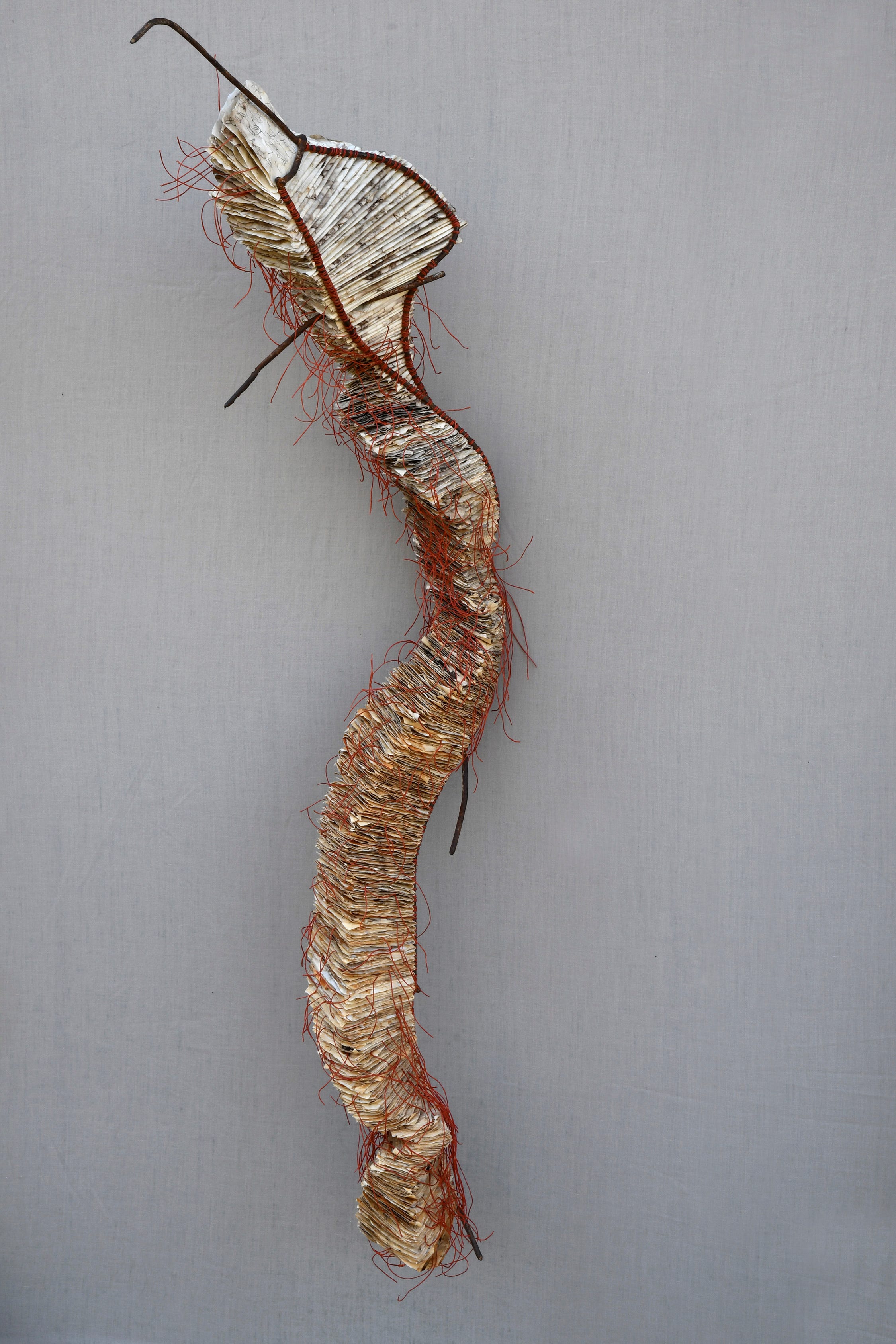
Living always in an in-between state of good days and bad days, temporary improvements and setbacks, never knowing if tomorrow I will be able to accomplish something I set my mind to today - this takes away any illusions of permanence and control. Likewise, my artwork that explores illness and grief also contains more room for chance, following where the materials and processes lead. Eco-printing with plants is a process of exploration and surprise, and I intuitively stitch into the materials I eco-print, relinquishing a lot of control over the art-making process. Somehow, the collaboration with the materials and chance has resulted in artwork that is more personal, more meaningful to me.
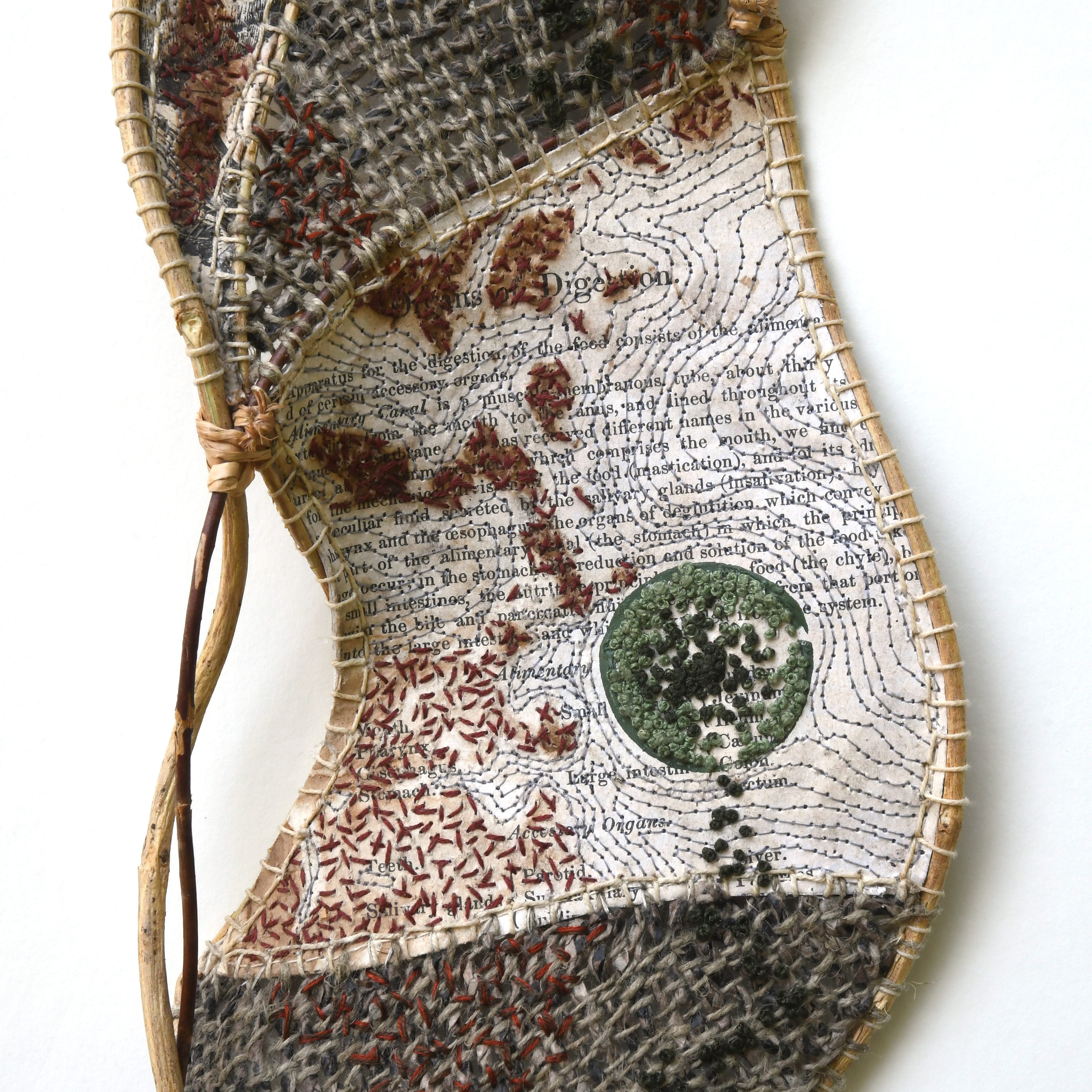
I feel like I’m living and working in a state of heightened awareness, where the ordinary feels precious, where pain and healing intermingle, and where creative expression can give form to what is otherwise invisible—the uncertainty, the hope, the fear, and the profound beauty of simply continuing.
Where words and images meet, cross over, or collide
The space where poetry and visual art meet is a fertile ground, a threshold between language and image. In this in-between, words can move beyond the page, becoming texture, pattern, or form, while visual elements can deepen the meaning of words. This convergence allows for layers of interpretation, where the seen and the read intertwine, expanding each other’s resonance.
I regularly write poetry, but I seldom publish it in a traditional manner. Instead, poetry runs alongside my visual artwork, the two sometimes inhabiting the work together. This is especially true in my artist books.
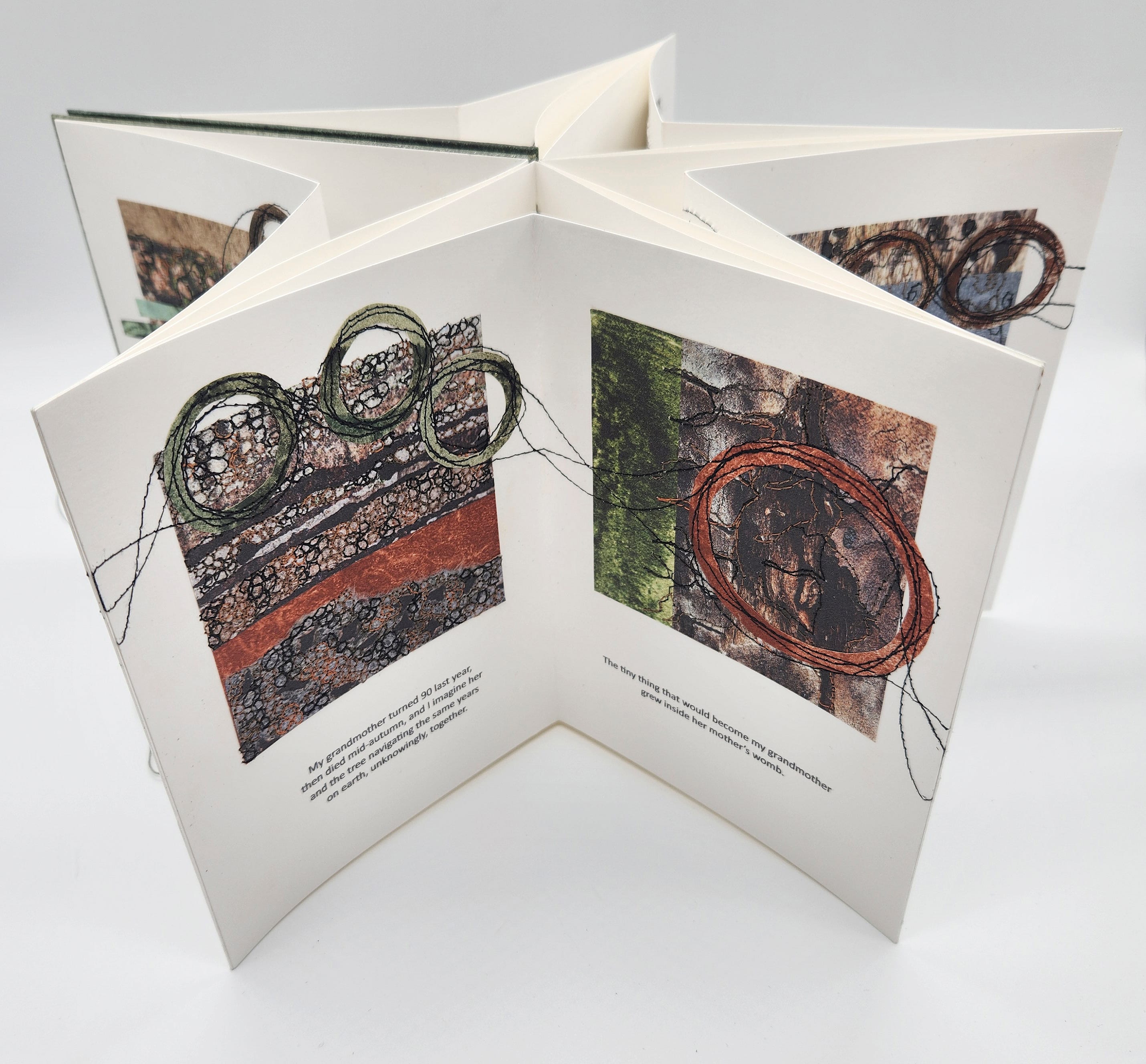
The liminal space created between words and images is a space that blurs the boundaries between reading and looking, where emotion can be carried simultaneously through multiple senses. In this union, art becomes more than one thing—it becomes an immersive experience that lives in the overlap of senses and imagination.
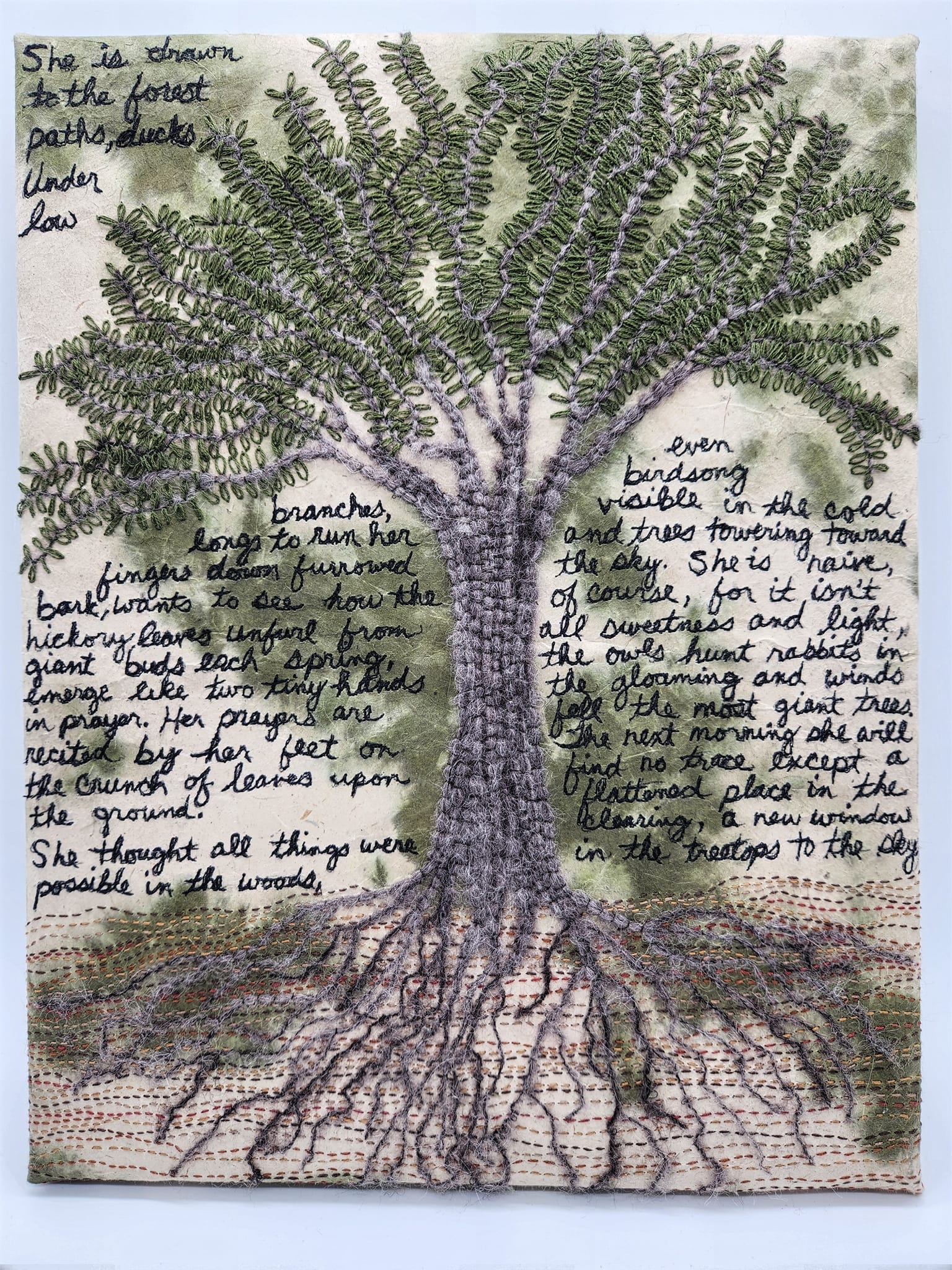
I’m in the midst of a project where I’m using lines from poems I’ve written to inspire (sometimes quite abstract) artwork. I embroider the words into the pieces, so the words and images live together and reflect off each other.
Where art and science meet
The space where art and science meet is a realm of boundless curiosity and invention. Both disciplines seek to understand the world—science through analysis, art through expression—and in their overlap, new ways of seeing can emerge. I have a B.S. in Chemical Engineering, so in many ways I see the world through the lens of science. I am fascinated by scientific discoveries, and I have used science in my artwork to invite viewers to feel wonder, to question, and to see the world as a continuum of interconnected systems—both measurable and mysterious.
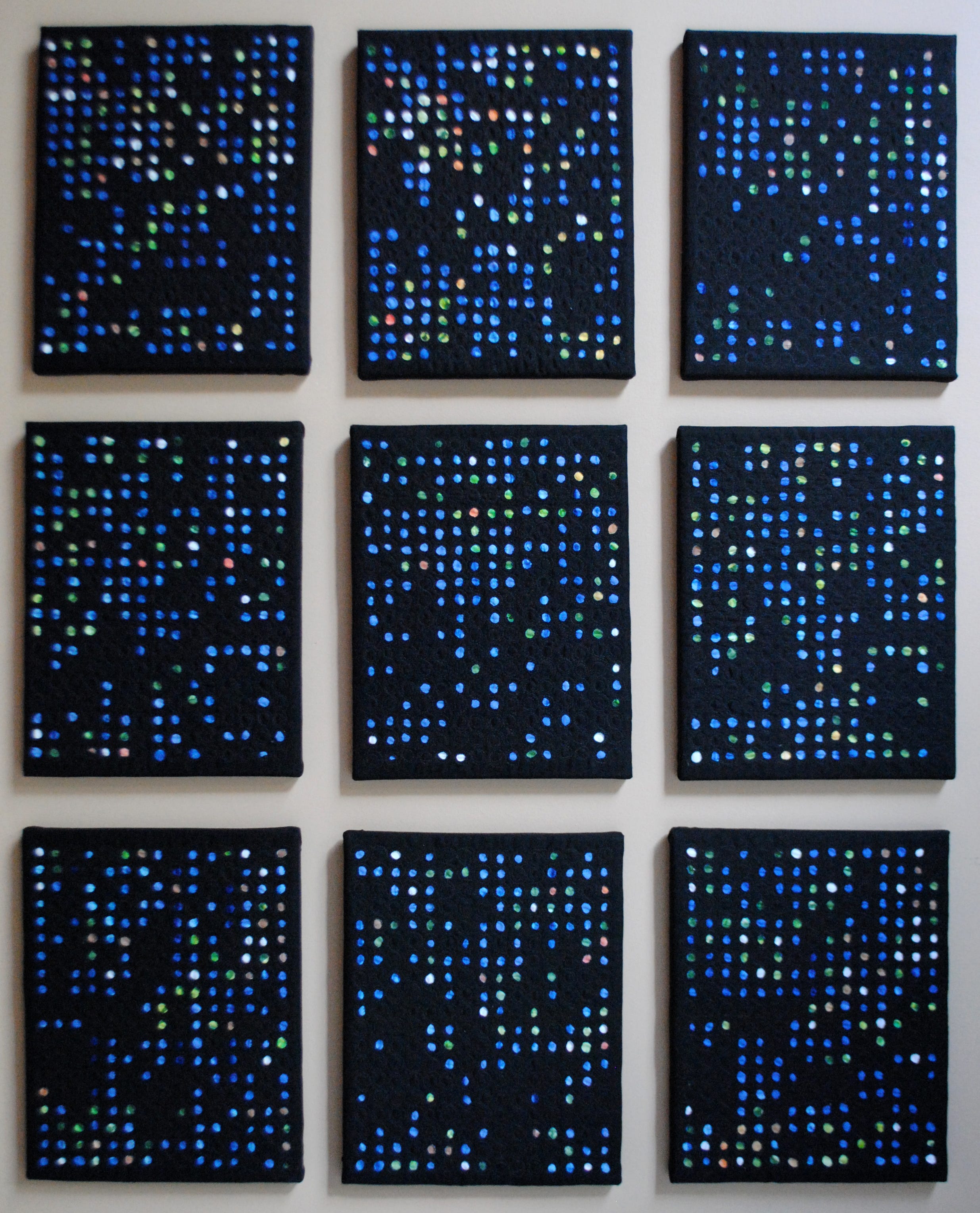
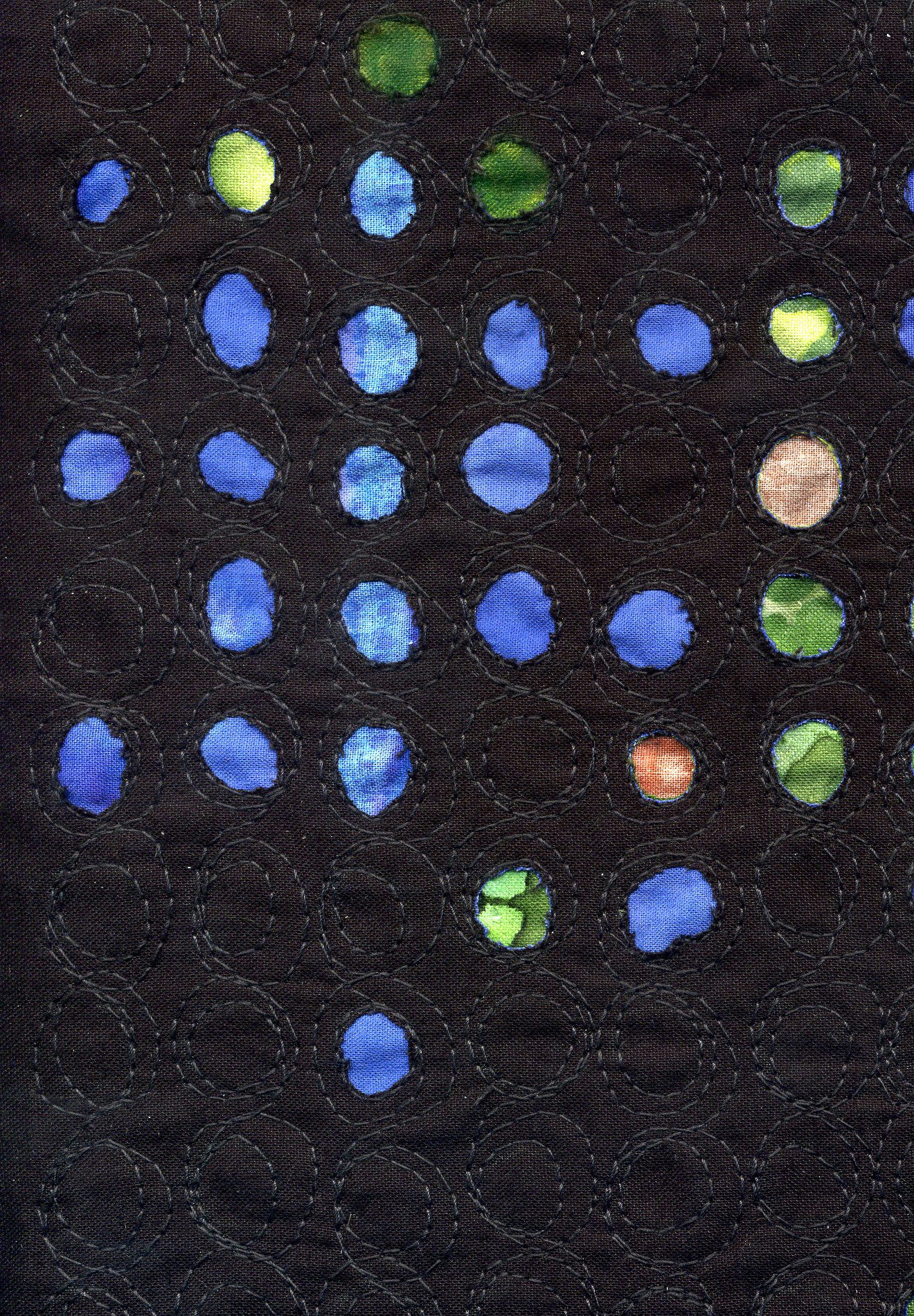
Artwork can attempt to translate scientific phenomena into tangible, emotional experiences, merging precision with wonder, logic with intuition. It is a fertile ground for discovery, where beauty and truth reveal themselves as two facets of the same pursuit: to know and to feel the world more deeply.
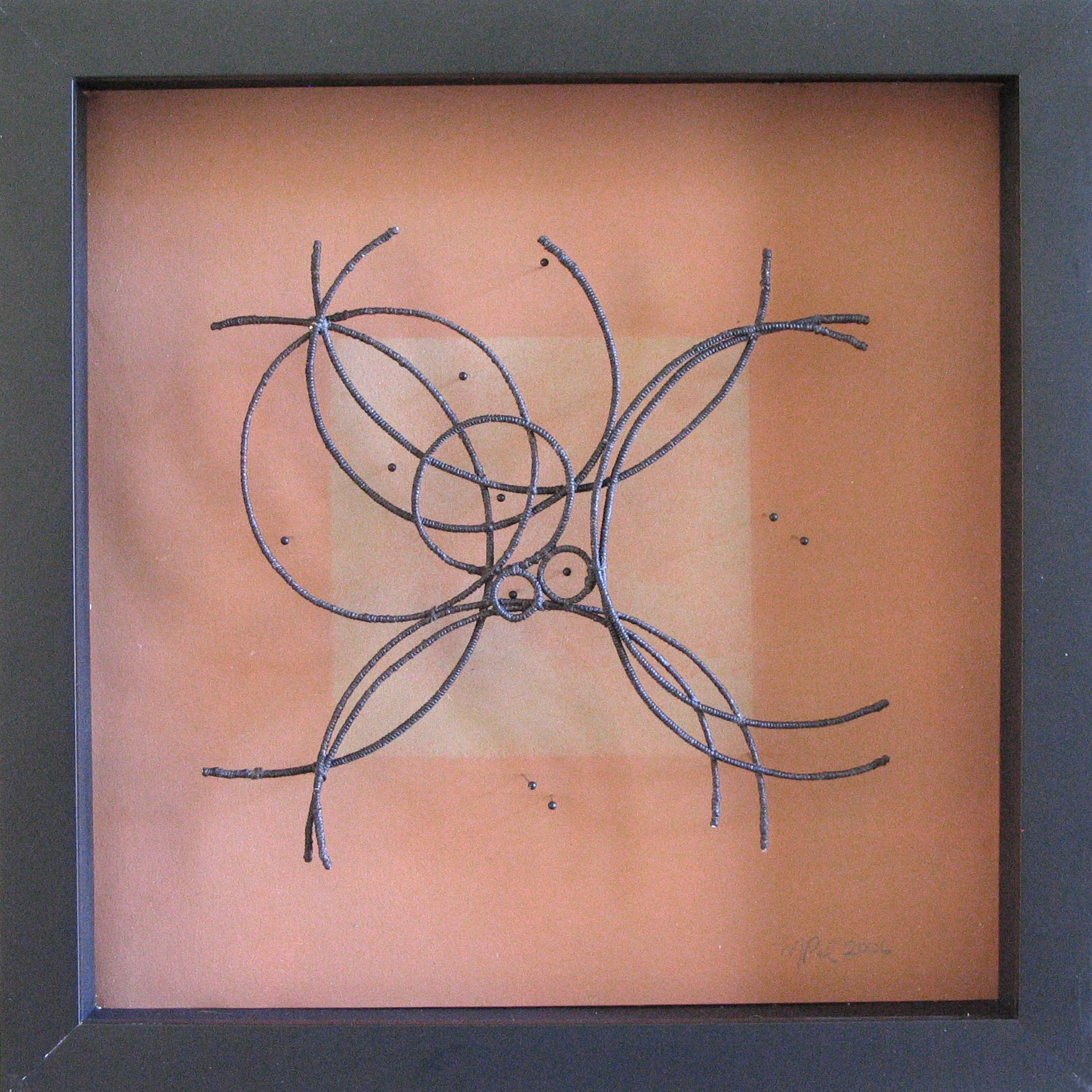
Where experience ends and memory begins
When my health began to make walking in the woods difficult, and I walked there less and less, my work shifted to a liminal space between walking in the woods and remembering walking there. In this in-between, truth became fluid—details blurred and emotion reshaped what I had experienced.
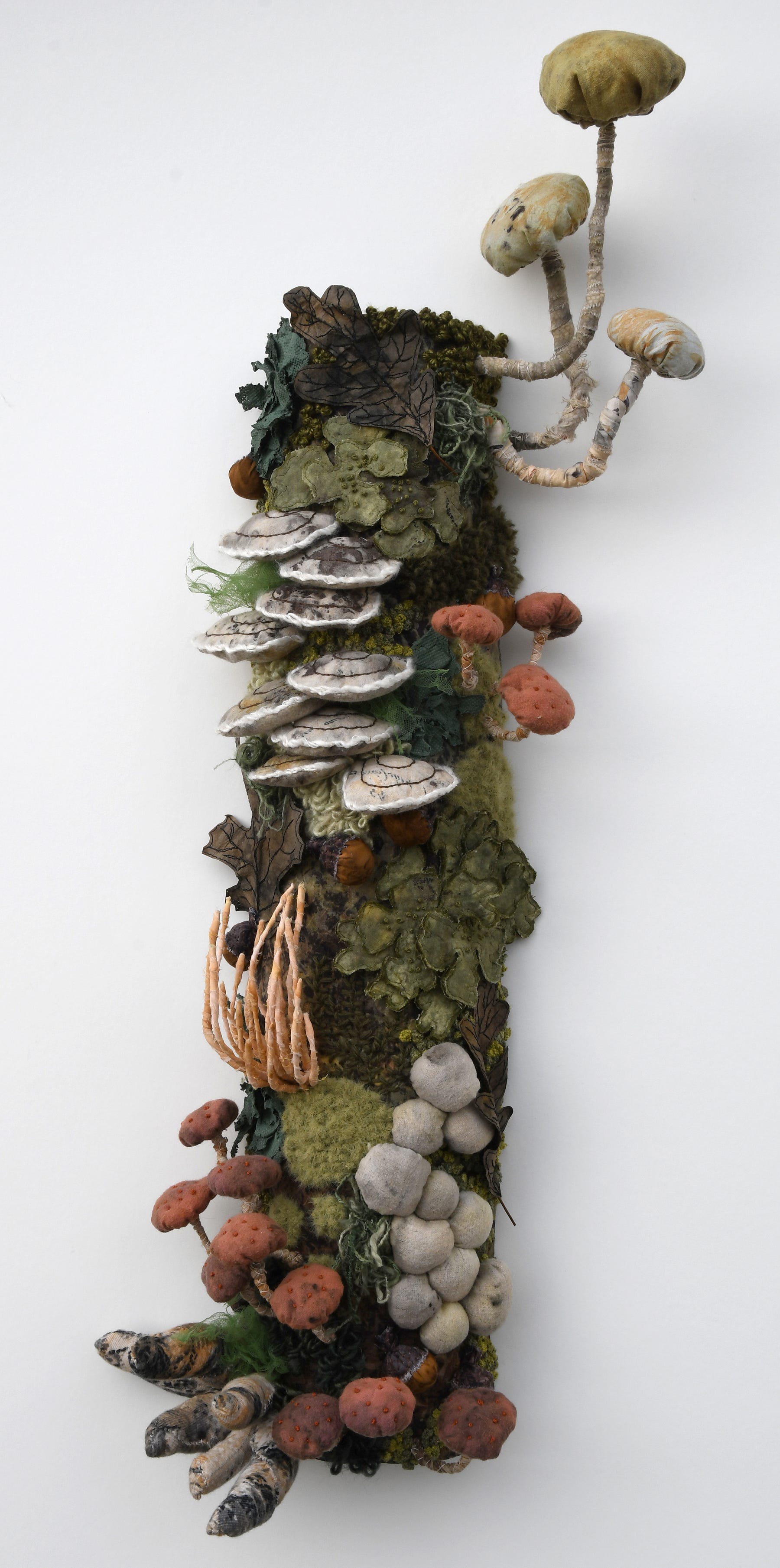
In this space, I draw from both presence and absence, capturing not the walks themselves but the echoes the walks left behind. Time folds in on itself: moments are revisited through photographs I had taken, then they are reinterpreted and transformed into new forms of meaning. This is a fertile ground where the act of remembering becomes a creative gesture, and where art can make visible the fragile, shifting boundary between what we have lived and what we continue to carry.


The Changing Seasons
Spring and autumn are inherently liminal seasons, existing in the delicate space between extremes. Spring is the threshold between dormancy and abundance, when buds push against the last grip of frost and the air carries both chill and promise.
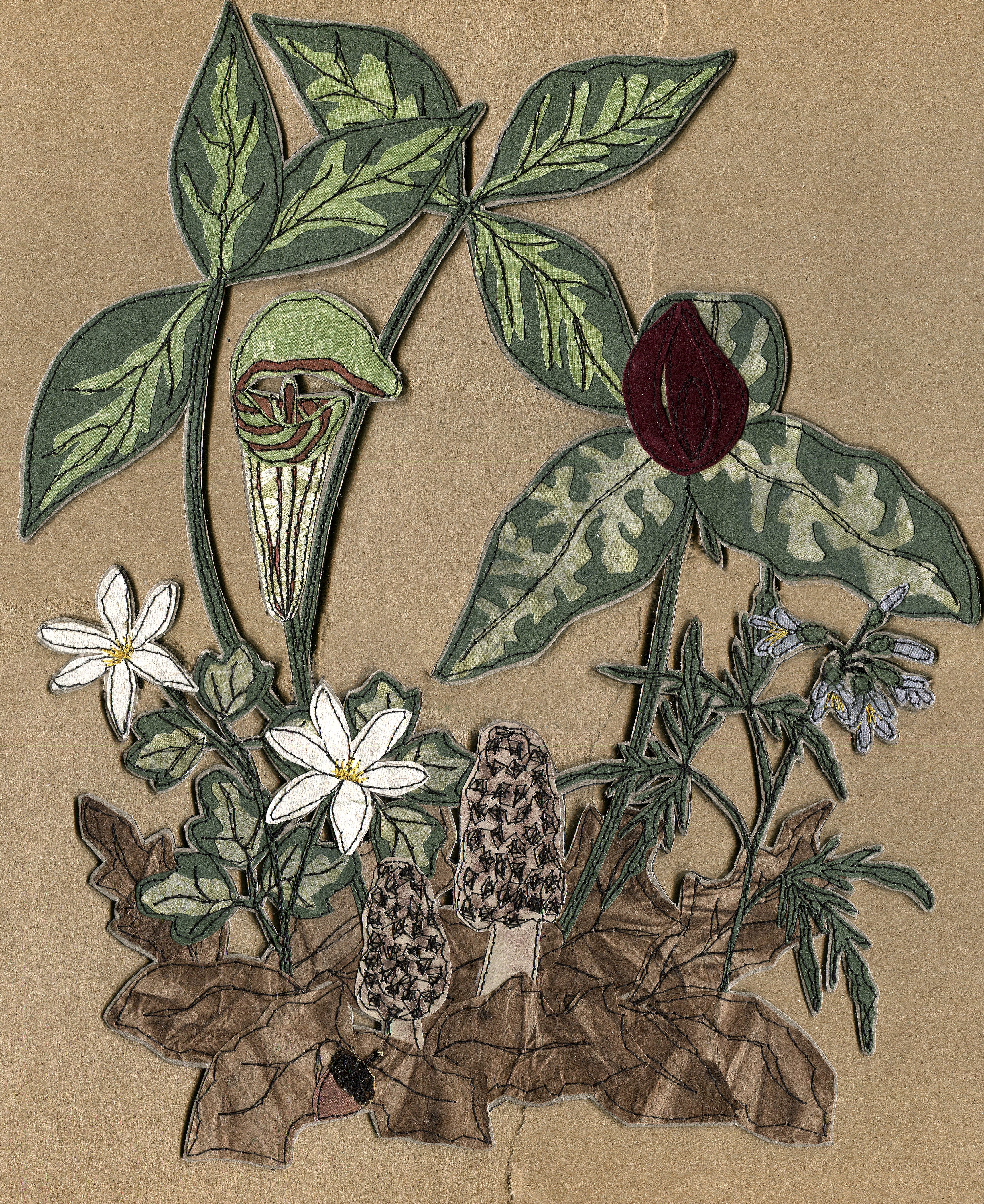
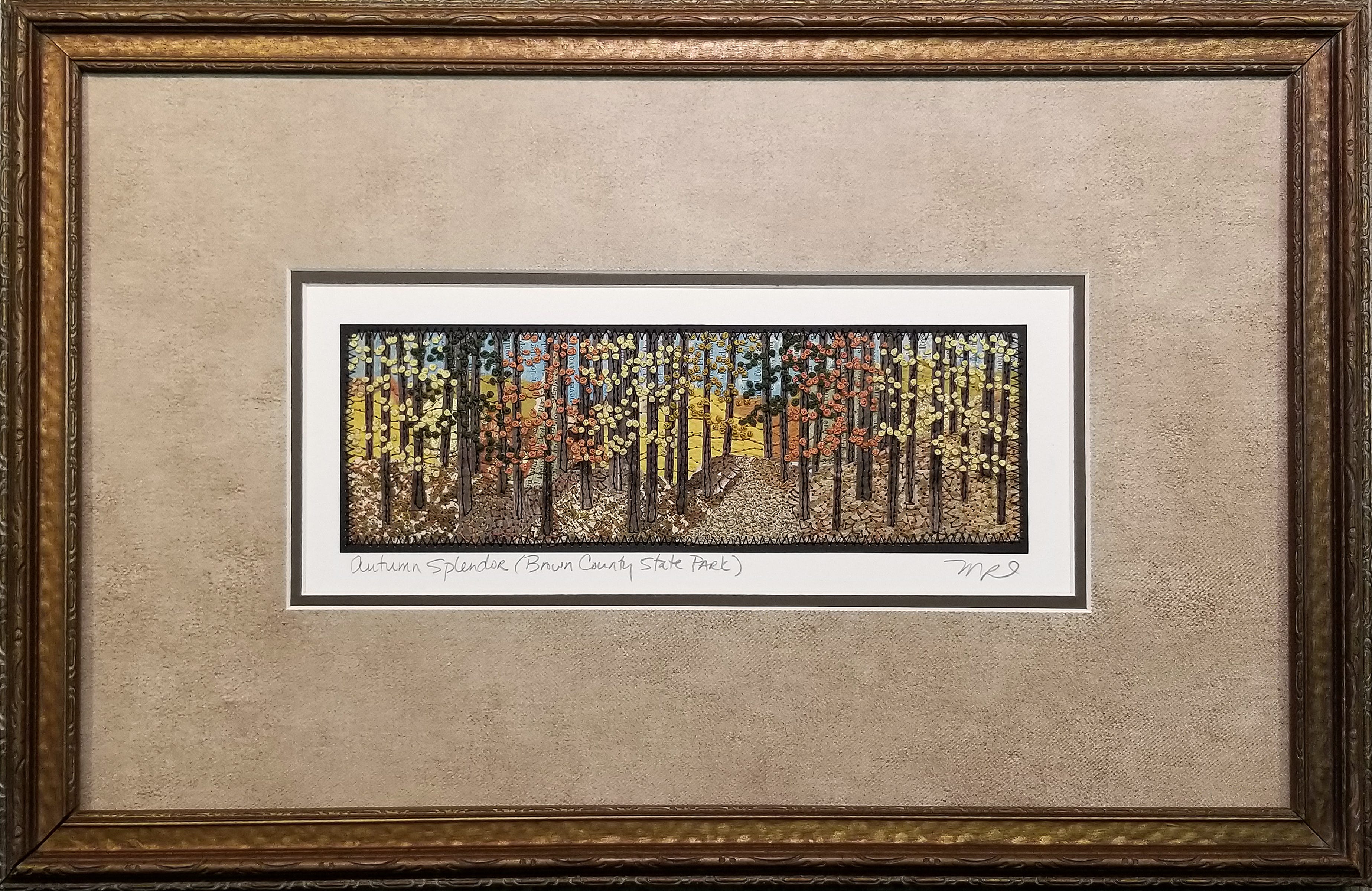
Autumn, in turn, is the passage between fullness and decline, when harvest ripens even as leaves let go and the light begins to fade. Both seasons hold a sense of becoming and undoing at once, their beauty rooted in impermanence and transition. They remind us that change is cyclical, that life is always moving through thresholds, and that the richest moments often dwell not in certainty but in the in-between.
The “blank page,” or the moments between nothing and creation
The moment before beginning a new piece of artwork is a liminal space, suspended between intention and action, imagination and material. It is a threshold where possibilities are endless, yet nothing has yet taken form—a quiet tension between anticipation and uncertainty. In that pause, I hover between what I know and what I will discover. This in-between is charged with the promise of creation, a reminder that we can all create spaces where ideas and reality are poised to meet.
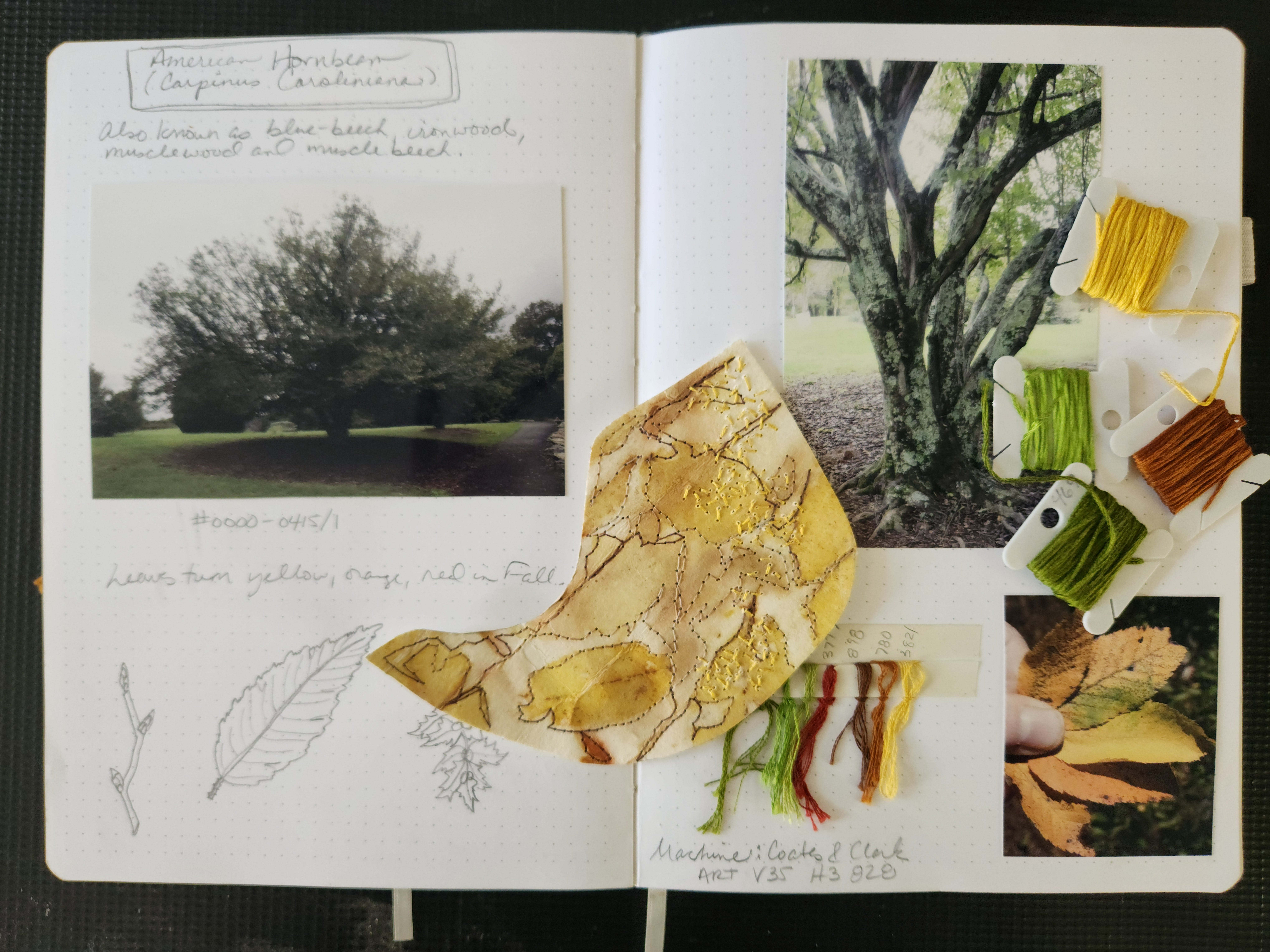
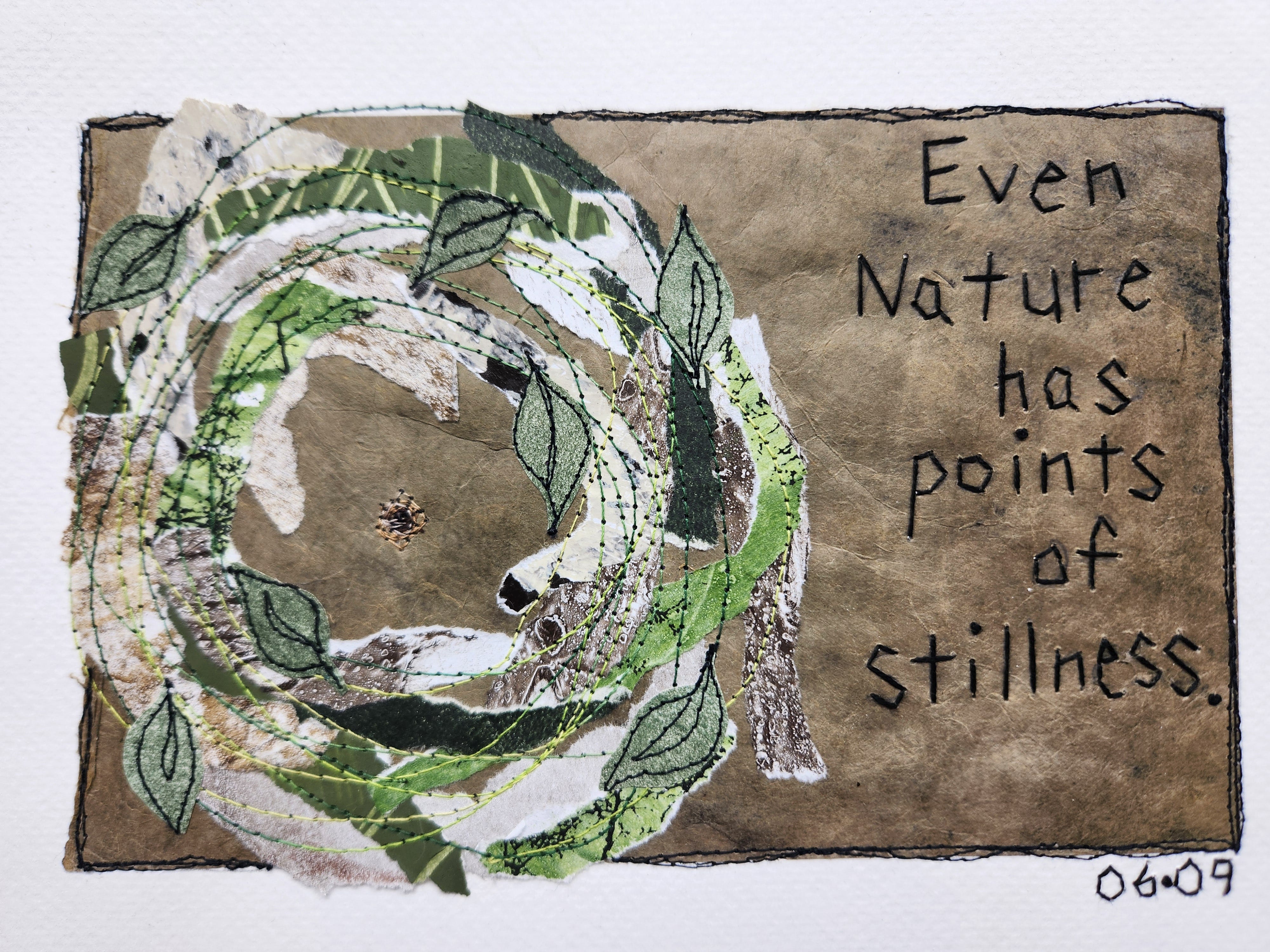
On some projects, I hover almost continually in this liminal space of the “blank page,” as I respond intuitively to the materials and the process, following no specific plan, letting the piece emerge slowly over time.


You can read more about my 100DayProject of embroidered doodles here.
Where water meets the shore
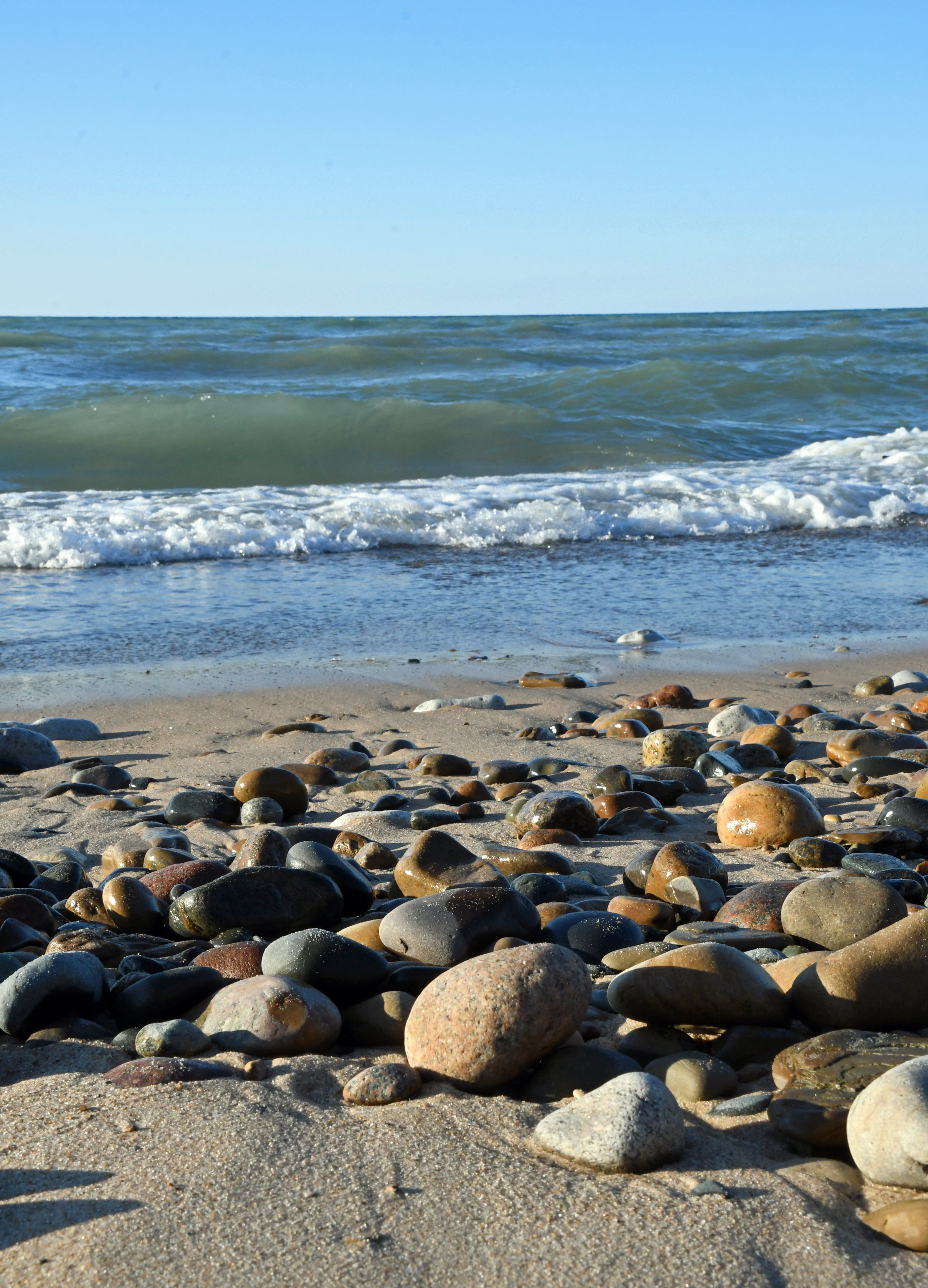
I just spent two weeks as artist in residence at Indiana Dunes National Park. The park is full of liminal spaces - Oak savannas where prairie meets forest; wetland complexes where marsh or fen morph into woods; dune succession from Cottonwood and Marram Grass to Jack Pine barrens to Oak forests; and, of course, the place where Lake Michigan meets the beach on the shore.
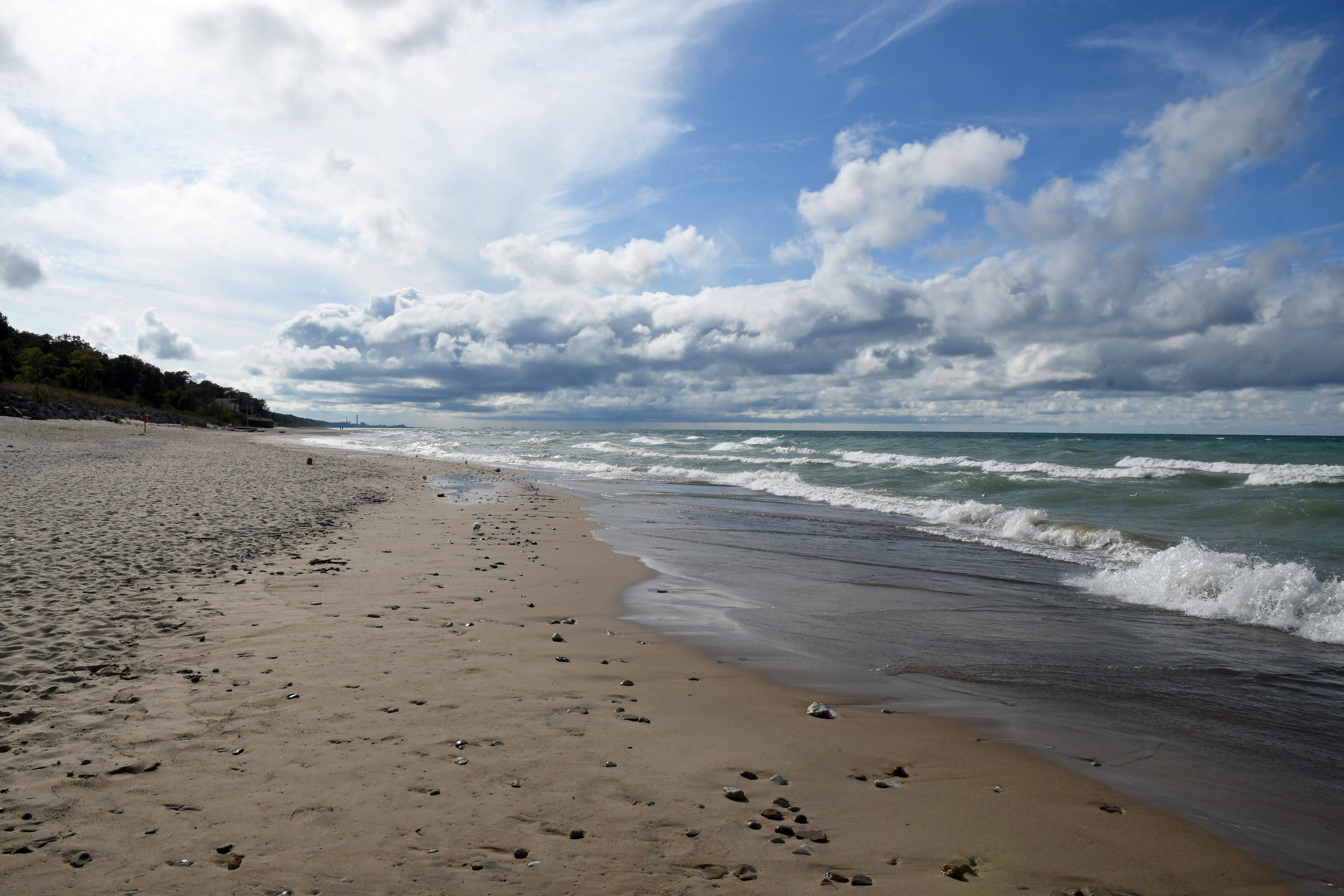
Any shore is alive with possibility, a shifting boundary shaped by wind, water, and time. Each wave redraws the edge, erasing and remaking patterns in the sand. I was especially taken with the stones I found washed up there, smoothed by years of tumbling, carrying the memories of ancient forces and transformations.


Over my two weeks at the National Park, I felt pulled again and again to visit these stones on this beach. I photographed and sketched dozens and dozens of them. Though I don’t yet know where it will lead (another liminal space I’m occupying, one between initial idea and project), I’m starting to explore compositions that the stones offer up to me.
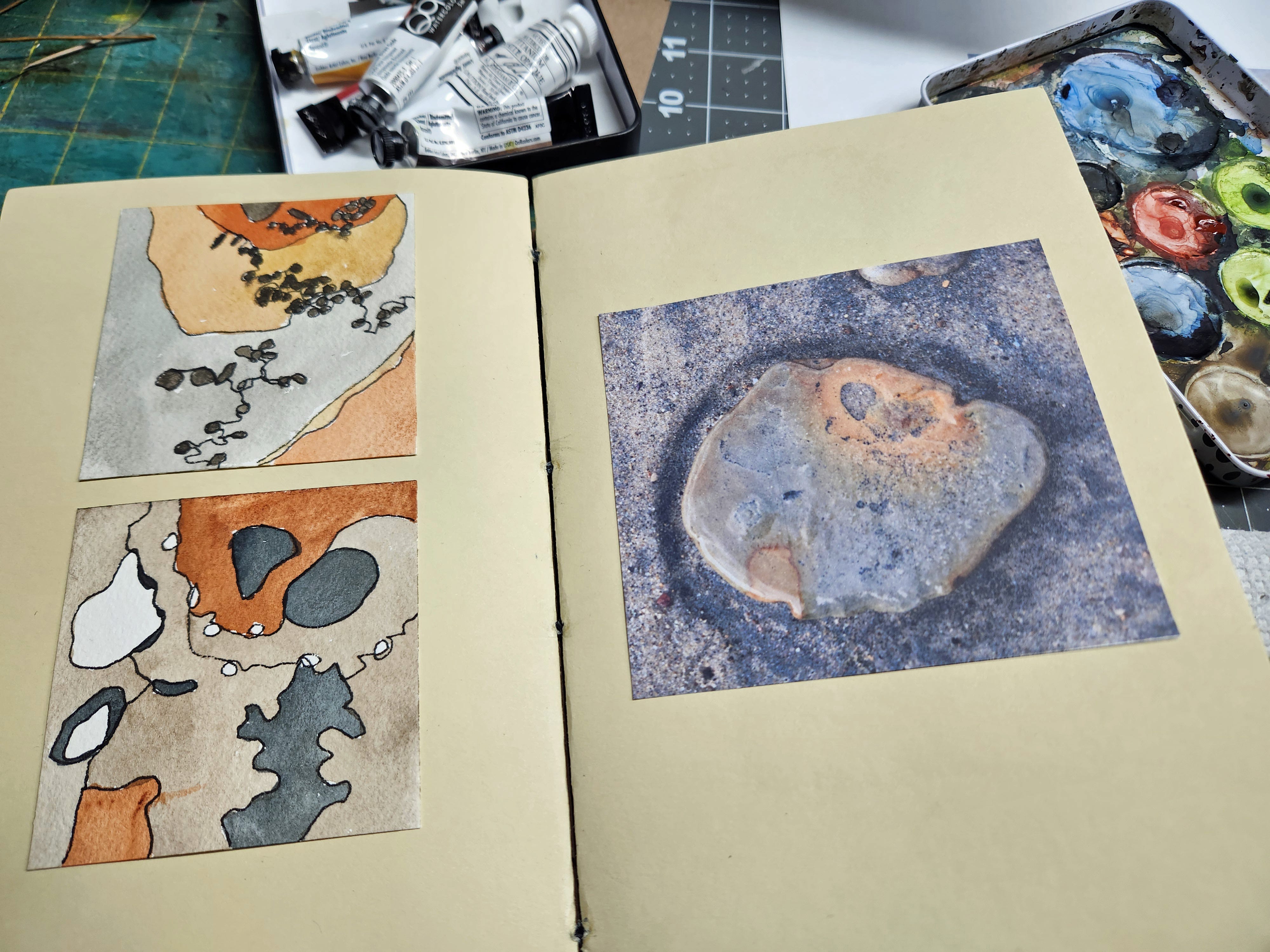
Liminal spaces have become vital to my artwork because they embody the tension and possibility of the “in-between,” where transformation can occur. These thresholds—whether physical, temporal, or emotional—hold ambiguity, and ambiguity invites exploration. Liminal spaces resist fixed meaning, creating room for me as an artist to explore my own uncertainties, desires, and memories, and room for viewers to also explore theirs. Liminal spaces can offer moments where boundaries blur between one landscape and another, between past and future, between reality and imagination. The more I acknowledge and dwell in these thresholds, the more I’m finding inspiration, where change feels both palpable and productive, and meaning feels most alive.
See more of my work at my website.
Thank you for your updates on your beautiful work!
I’m currently exploring liminal spaces a lot (not for the first time but with new eyes) and I appreciate the fullness of your definitions of liminal here.